Applying for German citizenship
I explain the requirements, documents, costs and steps of applying for German citizenship, and which documents need a certified translation.
 Armin MihandarAuthorized translator by the Regional Court of Hannover
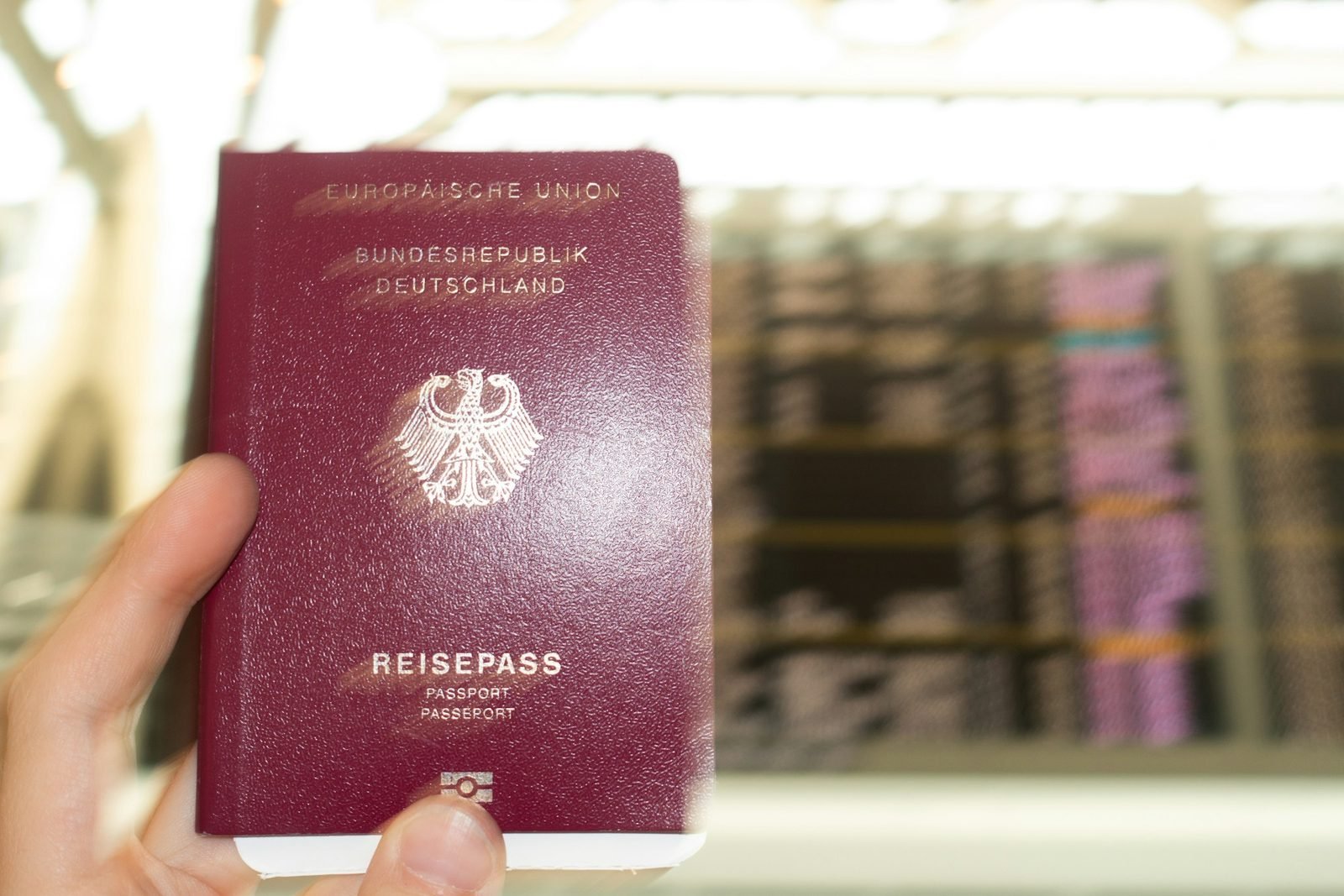
Many people who have lived in Germany for some years think about becoming German citizens (Einbürgerung). Since 2024 you no longer have to give up your current citizenship to do so. In this article I explain the requirements, the documents and the steps, and which documents need a certified translation.
Under the German Nationality Act, you usually need at least five years of habitual and legal residence in Germany and a long-term right of residence at the time of naturalization. You also need German language skills at level B1, a passed naturalization test (Einbürgerungstest) and enough income to support yourself and your family without benefits such as Bürgergeld. You must have no criminal convictions, commit to Germany’s free democratic order, and your identity and current citizenship must be clear.
In certain cases, for example for spouses of German citizens, exceptions and easier rules apply. The fast track to citizenship after three years (“Turbo-Einbürgerung”) was abolished in October 2025. The five-year rule now applies to everyone.
You do not lose your current citizenship by becoming German. Since June 27, 2024, Germany has allowed dual citizenship, so you can become a German citizen and keep your current citizenship.
The naturalization test has 33 questions and takes 60 minutes. To pass, you need at least 17 correct answers. The test costs 25 €. If you have a German school leaving certificate, you usually do not need to take it.
Your local naturalization office (Einbürgerungsbehörde) sets the exact list of documents. Usually you need the application form, a valid passport and residence permit, a registration certificate (Meldebescheinigung) and a short résumé (Lebenslauf). You also need a B1 language certificate, proof that you passed the naturalization test and proof of income, such as pay slips or an employment contract. Your birth certificate and, if applicable, your marriage or divorce certificate are submitted with a certified translation.
Certificates that are not in German, such as birth and marriage certificates, need a certified translation. The naturalization office usually accepts translations by an authorized or sworn translator by a German court.
Depending on the country that issued the document, some offices also require a legalization or an apostille. Ask your office before ordering the translation whether this is needed, because it changes the order of the steps. Prepare your translations early: offices usually process an application only once all documents are complete.
The process usually looks like this: first, check that you meet the requirements of five years of residence, German at B1, the naturalization test and a secure income.
Then get your B1 certificate and proof that you passed the test, and have your foreign-language certificates translated.
After that, hand in the form and documents at your naturalization office; some cities also accept online applications. Processing often takes a long time, frequently more than a year.
Afterwards you receive your naturalization certificate (Einbürgerungsurkunde).
Naturalization costs 255 € per adult and 51 € for each child under 18 who is naturalized with their parents. The naturalization test, language course and exam, and translations cost extra.
A certified translation of a one-page certificate such as a birth certificate costs 40 € with me, including delivery by mail. It is usually ready within 1–3 working days, plus the time for delivery. More prices on the prices page.